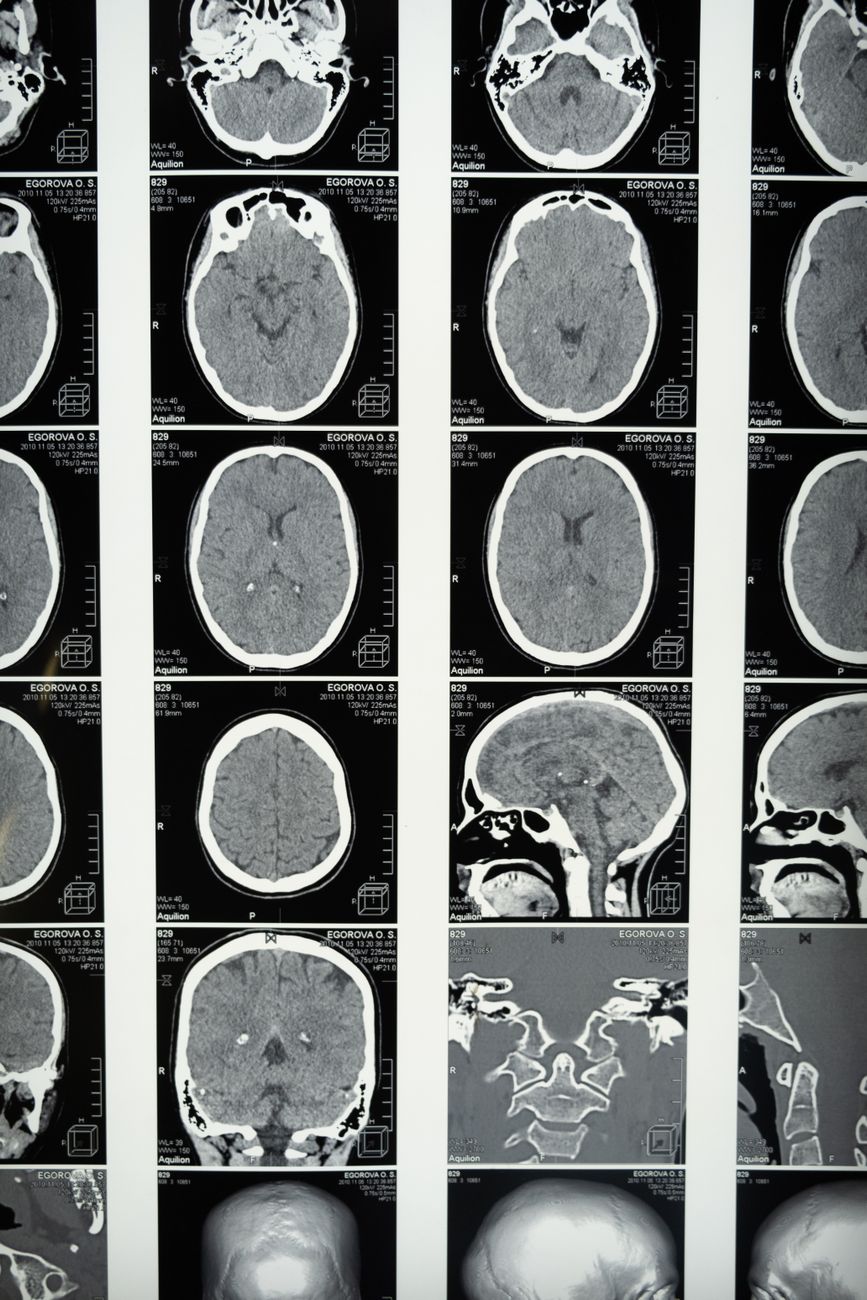
Motor neurone disease (MND)
Motor neurone disease (MND)—also widely known as Amyotrophic Lateral Sclerosis (ALS) or Lou Gehrig’s disease in other parts of the world—is a progressive, terminal neurological condition that affects the nerve cells (motor neurons) in the brain and spinal cord.
How It Works
Motor neurons are responsible for carrying messages from the brain to voluntary muscles throughout the body (such as those used for walking, speaking, swallowing, and breathing).In MND, these nerves become damaged, degenerate, and eventually die.Because the muscles can no longer receive signals from the brain, they gradually weaken, waste away (atrophy), and lose their ability to function.
Common Types of MND
- Amyotrophic Lateral Sclerosis (ALS):The most common form, affecting both upper and lower motor neurons.It typically causes muscle weakness and wasting in the limbs, stiffness, and cramps.
- Progressive Bulbar Palsy (PBP):Primarily affects the muscles of the face, throat, and tongue, leading to early difficulties with speaking, chewing, and swallowing.
- Progressive Muscular Atrophy (PMA):A rarer form that primarily targets lower motor neurons, resulting in progressive muscle wasting and weakness, often starting in the hands.
- Primary Lateral Sclerosis (PLS): A rare form affecting upper motor neurons, causing progressive stiffness and weakness mostly in the legs.
Early Signs and Symptoms
Symptoms vary greatly from person to person depending on which motor neurons are affected first. Common early signs include:
- Limb onset:Tripping, stumbling, or foot drop due to leg weakness, or trouble holding/gripping objects due to hand and shoulder weakness.
- Bulbar onset:Slurred speech, a hoarse voice, or difficulty swallowing.
- Other signs:Muscle cramps, twitching (fasciculations), fatigue, and unexplained weight or muscle loss.
- Cognitive changes:Roughly half of those diagnosed experience mild changes to thinking and behavior, and a small percentage develop frontotemporal dementia (FTD).
- Note: MND typically does not affect the five senses (sight, hearing, taste, smell, touch) or eye movements until very late stages.
Causes and Risk Factors
In the vast majority of cases (about 90% to 95%), the cause is sporadic, meaning it occurs at random with no clear family history.Up to 10% to 15% of cases are familial (inherited), linked to specific genetic mutations.Scientists believe sporadic MND is caused by a complex interaction of genetic susceptibility, aging, and environmental factors.It is slightly more common in men than women and generally manifests in people over 50.
Diagnosis and Management
Diagnosing MND can be complex and lengthy because there is no single definitive test.Neurologists rely on a physical examination, medical history, electrical tests (such as an electromyography [EMG] and nerve conduction studies), and imaging (like MRIs) to rule out other conditions.
While there is currently no cure and the disease is life-limiting, a multidisciplinary team approach (including neurologists, nurses, allied health professionals, and palliative care specialists) can significantly improve quality of life. Treatments focus on symptom management, specialized equipment (like mobility aids and communication devices), nutritional support, and respiratory care.
